
Most readers of this blog will have sweltered through plus 40 degree heat this summer. They’ll have noticed the immediate effect of shade from established trees, sadly disappearing from our urban spaces (see Caroline Grant’s article in the January 2026 issue of Australian Garden History). And they’ll have walked past more and more strips of fake grass. As Roslyn Burge alerted us in July 2024 , plastic turf is made up of ‘forever chemicals’, which include PCBs (polychlorinated biphenyls), PFAS (per- and poly-fluoroalkyl substances) and polyaromatic hydrocarbons (PAHS). These can leave a toxic legacy on human and animal heath, on terrestrial and marine environments. You can download her article for free: Advocacy and plastic turf. See also new report published by the Australian Microplastic Assessment Project (AUSMAP), Do We Have a Microplastic Problem in NSW Coastal Waterways?, which provides insight into seven years of data, that demonstrate the persistence and scale of microplastic pollution within NSW.
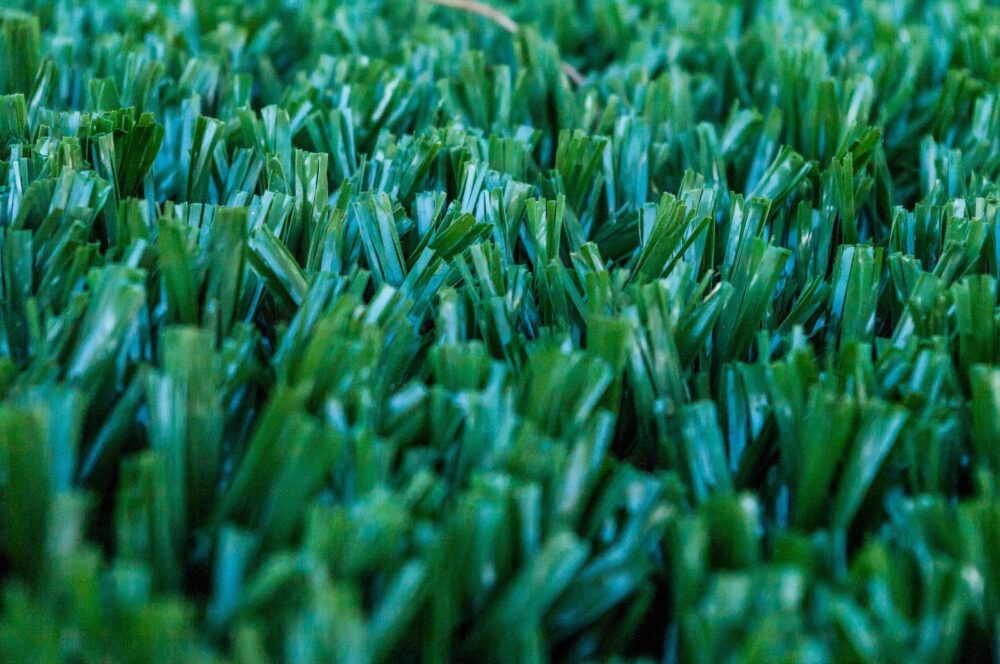
The campaign for banning fake grass is intensifying as the heatwaves multiply. This substance has been shown to increase land surface temperatures by 40 per cent or more. It absorbs heat, warms the air temperatures, hardens soil thus increasing stormwater runoff and, with it, microplastics. We know synthetic turf contains toxic and carcinogenic chemicals that could be absorbed by the human body through direct contact, inhalation and ingestion (see Synthetic Turf, Rumana Hossain, Anirban Ghose, Veena Sahajwalla, Sustainable Communities & Waste Hub, SMaRT Centre UNSW Sydney, 2024). Yet we let our children play on these super-hot plastic sports fields!
The Friends of Callan Park (FOCP) continue to campaign against installing artificial turf in the grounds of this unique site of State Heritage significance. Apart from preserving the integrity of this heritage parkland, continuing to use natural grass maintained to sporting fields’ best practice standards is the best way to foster a healthy green environment for all the public who use and enjoy this cultural landscape.
You can find out more about campaign here (https://www.callanpark.com/no-plastic-grass-at-callan-park-2-das-lodged-by-iwc/), and may wish to use the research the FOCP have undertaken to mount the argument against fake grass in your region. FOCP is a member of AGHS and Callan Park has long been listed on the AGHS Landscapes at Risk list.