
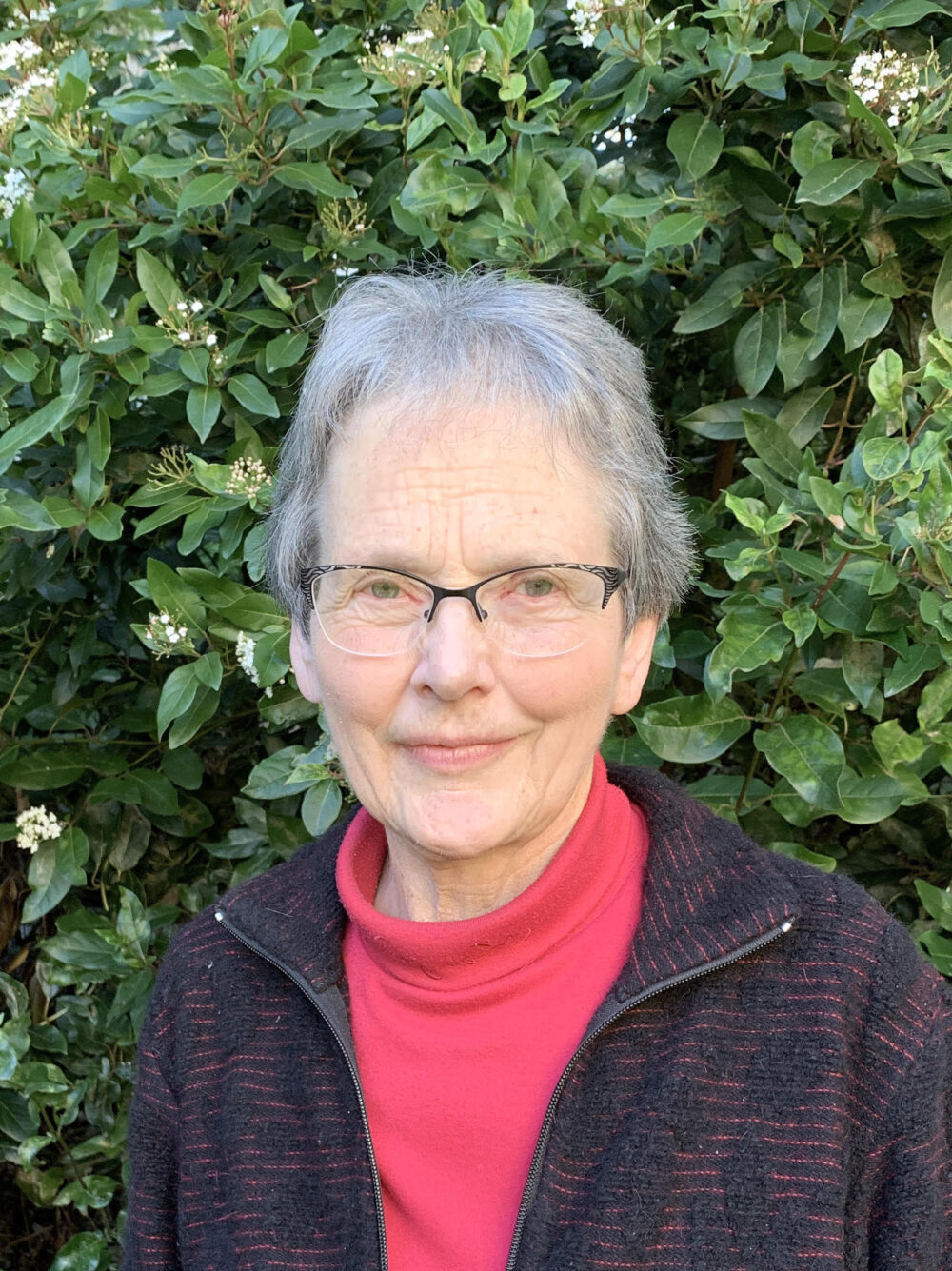
Helen May Leach, Emeritus Professor of Anthropology (Otago University) ONZM, AHRIH (née Keedwell), was born in New Plymouth, Taranaki in 1945 and died in Christchurch, New Zealand in January this year.
Her long academic career began at the University of Otago in 1963 where she studied anthropology. In 1969 she began a ‘three-year’ program with her then husband, B Foss Leach, of excavations of Māori prehistory coastal settlements at Palliser Bay, Wairarapa. Named the Wairarapa Research Programme it was one of the first regional studies in New Zealand prehistory (focused on localised communities). Its legacy was to create a new generation of academics and field workers in anthropology.
Leach was the only anthropologist in New Zealand who researched garden history both nationally and internationally (and across many cultures). The publication in 1984 of 1,000 Years of Gardening in New Zealand, was one of her more influential publications, beautifully illustrated in black and white and colour by her sister Nancy Titchborne. The book revealed Auckland’s Māori Stonefield landscape gardens, even as contemporary destruction continued. The kitchen garden was chronicled from the past forms in Britain to the contemporary urban New Zealand vegetable garden and the history and use of many vegetable and fruit crops was described.
Among her academic papers was one, ‘The terminology of agricultural origins and food production systems: a horticultural perspective’ (Antiquity, 1977)’, in which she put the case that ‘horticulture is a distinct system from agriculture, with separate origins and development…and by its very nature horticulture is intensive compared with cereal agriculture, especially when vegetatively reproduced root and tree crops are involved…’ As an anthropologist, Leach’s focus was on the Polynesian practice of horticulture. She argued that ‘by classifying Māori as agriculturalists instead of advanced horticulturalists, Europeans justified the re-education of Māori on missionary farms and the dangerous attitude that Māori did not know how to use their land’.
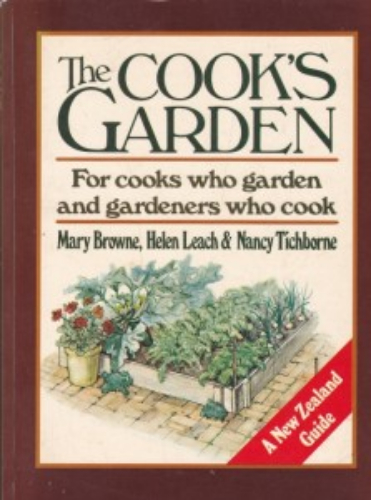 Two other of her prominent works are The Cooks Garden (1980) written with her two sisters (Browne and Tichborne), and The Pavlova Story – A slice of New Zealand’s culinary history (2008).
Scenery preservation was another important landscape topic that occupied Leach. In 1991 she researched the career of Otago nurseryman and forester Henry Matthews, documenting his employment by the New Zealand government as an expert assessor of historic places.
In 2019 Leach was awarded the Associate of Honour of the Royal New Zealand Institute of Horticulture, following her 2008 Garden History Medal. She was made a Fellow of the Royal Society of New Zealand in 2004. Leach was a member of the Australian Garden History Society.
Bibliography
Leach, H M & B F Leach (eds.), 1979, ‘Prehistoric Man in Palliser Bay’, National Museum of New Zealand Bulletin, 21.
Leach, H M, 1982, ‘On the origins of kitchen gardening in the ancient Near East’, Garden History 10 (1): 1-16.
Leach, H M, 1984, 1,000 Years of Gardening in New Zealand. Reed Publishing, Wellington.
Leach, H M, 1991, ‘Early Attempts at Historic Heritage Site Protection in New Zealand’, Archaeology in New Zealand, vol 34. no 2. June.
Leach, H M, 1997, ‘The terminology of agricultural origins and food production systems: a horticultural perspective’, Antiquity 71: 135–48.
Leach, H M, 2000, Cultivating myths: fiction, fact, and fashion in garden history, Godwit, Auckland.
Leach, H M, 2019, ‘Horticultural themes during my lifetime of research in anthropology and garden history’, New Zealand Garden Journal, vol. 22. (1).
Otago Daily Times, 28 January 2026, H M Leach obituary